Craniosacral therapy for children
Gentle support for emotional regulation, behaviour, sleep, and physical comfort
Helping your child feel calmer, more balanced, and better able to cope day to day
A gentle approach that works with your child
As children grow, their bodies and nervous systems continue to develop and adapt.
At times, this can lead to tension, overwhelm, or difficulty regulating emotions and behaviour.
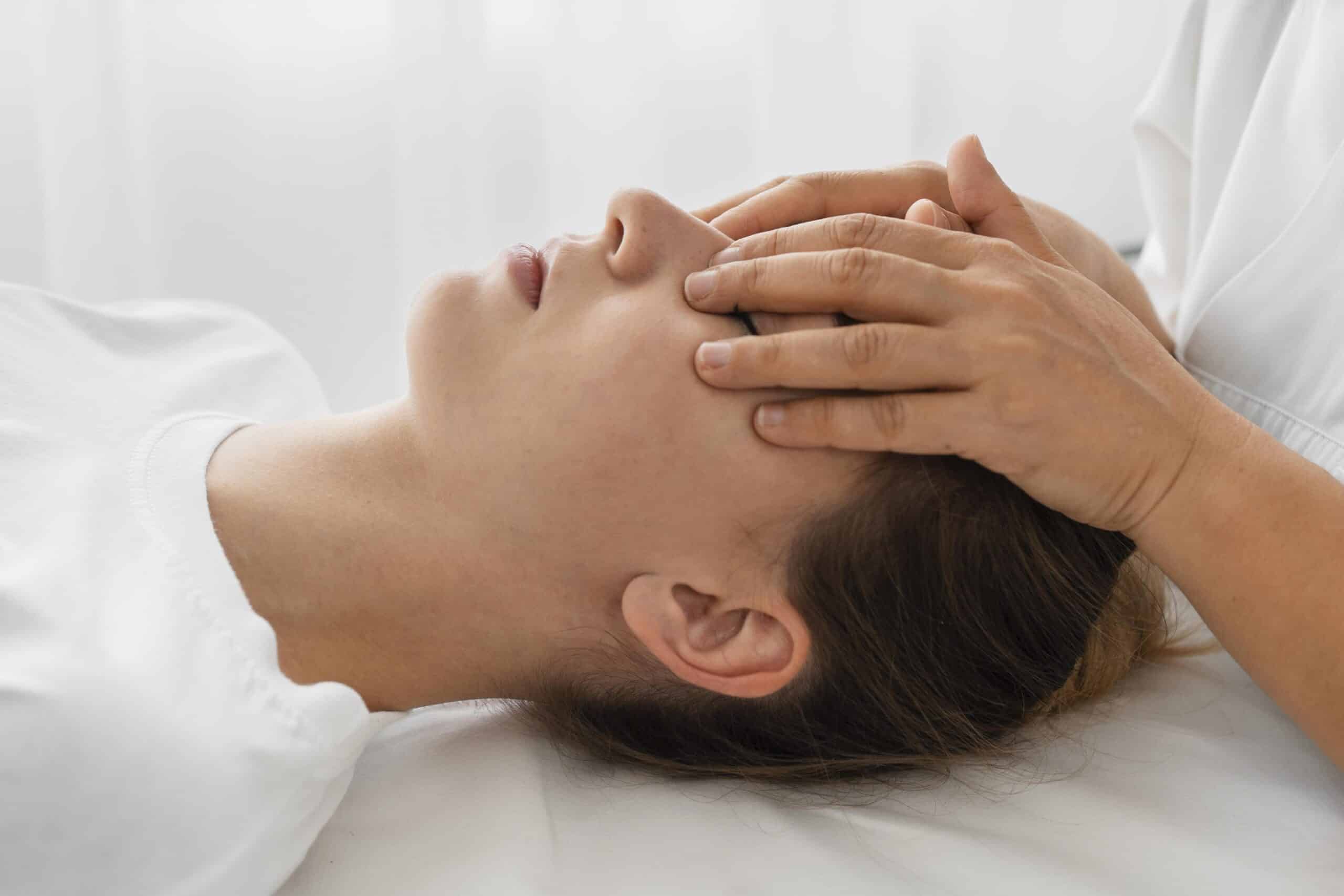
Craniosacral therapy is a gentle, hands-on approach that works with your child’s nervous system, helping to release tension and support balance.
Rather than focusing on correcting behaviour, this work supports what may be happening underneath it.
Supporting your child to feel more balanced and in control
Children often express internal stress in ways that can be difficult to interpret.
This might include:
- Difficulty regulating emotions
- Anxiety or low mood
- Sleep challenges
- Sensory sensitivities
- Difficulty concentrating or focusing
- Headaches or physical discomfort
- Jaw tension or oral function issues
- Repeated ear, nose, or throat problems
This work supports the nervous system, helping your child feel more settled, more comfortable, and better able to cope.
A calm, supportive experience
Sessions are designed to feel safe, relaxed, and comfortable for your child. They can sit, lie down, or move as needed, and are always encouraged to feel at ease. Gentle touch is used to support areas of tension, with no force or manipulation. Each session is guided by your child and what their body needs in that moment.
Support for emotional wellbeing and regulation
When children struggle, it is often not just about behaviour.
It can be a sign of an overwhelmed or dysregulated system.
This work helps support emotional regulation from within, allowing your child to feel more stable, resilient, and at ease over time.
Working alongside the right support and care
Craniosacral therapy can work alongside other forms of support where needed.
This may include:
- Schools and SEN support
- Speech and language therapy
- Occupational therapy
- Paediatric specialists
The focus is always on supporting your child in a way that feels appropriate and joined up.
Introducing myself
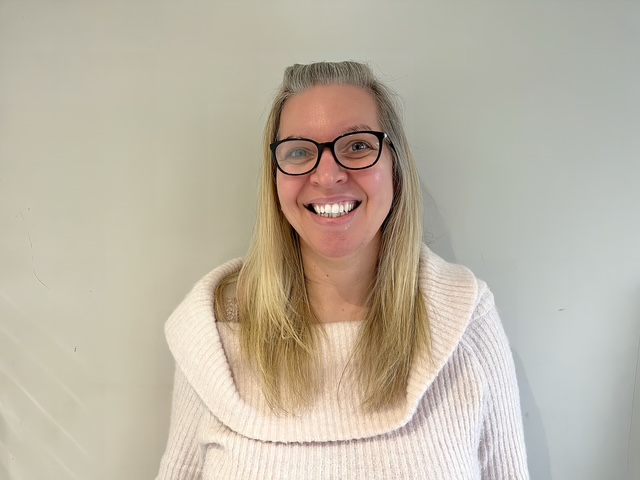
I’m Lisa Mann and I’m a registered Biodynamic Craniosacral Therapist. I have also just graduated from a nine-month top-up paediatric craniosacral therapy course. This builds on my core training and deepens my expertise in the gentle and effective work with newborns and babies, and younger (under 8 years old) children. I will also be offering a range of massage therapies from September 2026.
So why did I train in biodynamic craniosacral therapy? Simply put, a very personal, difficult birth experience, a difficult baby feeding experience, and poor baby sleep, not forgetting personal sleep deprivation. My experience took me through oral dysfunction, baby birth trauma, and speech issues. Along the way, one amazing provider suggested I train in craniosacral therapy because of my growing passion to help other families recover from similar experiences. Little did I know at that time that craniosacral therapy was equally for older children and adults! Within three weeks I had committed thousands of pounds in an intensive two-year course in exactly that, alongside living anatomy and physiology for another nine months simultaneously. Training in biodynamic craniosacral therapy was much more of a vocation, and the passion I have for supporting anyone from newborns, babies to older children and adults is off the scale. When it comes to being passionate about what I do, it is, truly a passion that will last many years to come.
Craniosacral therapy FAQs
Your content goes here. Edit or remove this text inline or in the module Content settings. You can also style every aspect of this content in the module Design settings and even apply custom CSS to this text in the module Advanced settings.
Is craniosacral therapy safe for children?
Yes. This is a gentle, non invasive therapy using light touch. Sessions are always guided by your child’s comfort and needs.
What age is this suitable for?
This work is suitable for children of all ages, including school aged children and pre-teens.
How will my child behave during a session?
Children are encouraged to feel comfortable. They can sit, lie down, or move as needed, and sessions are adapted around them.
Can this help with anxiety or emotional regulation?
Absolutely. Craniosacral therapy works very deeply with regulation of the nervous system, indicating priorities for the practitioner to focus on, and releasing any trapped strains or dysregulation in the nervous system.
How many sessions will my child need?
This depends on what your child is experiencing. Some notice changes quickly, while others benefit from a short series of sessions.
Does this replace other support such as school or therapy services?
No. This works alongside other support, helping to complement what is already in place.