Craniosacral Therapy for Low Mood & Anxiety | Nervous System Support
When the nervous system is overwhelmed, it can affect both body and mind
Periods of anxiety, persistent stress, or low mood can leave the body feeling tense, fatigued, and unsettled. Often these experiences are connected to how the nervous system responds to stress and how the body holds tension over time.
Craniosacral therapy offers a gentle approach that supports the nervous system to settle, helping the body move toward greater balance and resilience.
A gentle, non-invasive approach that works with the body
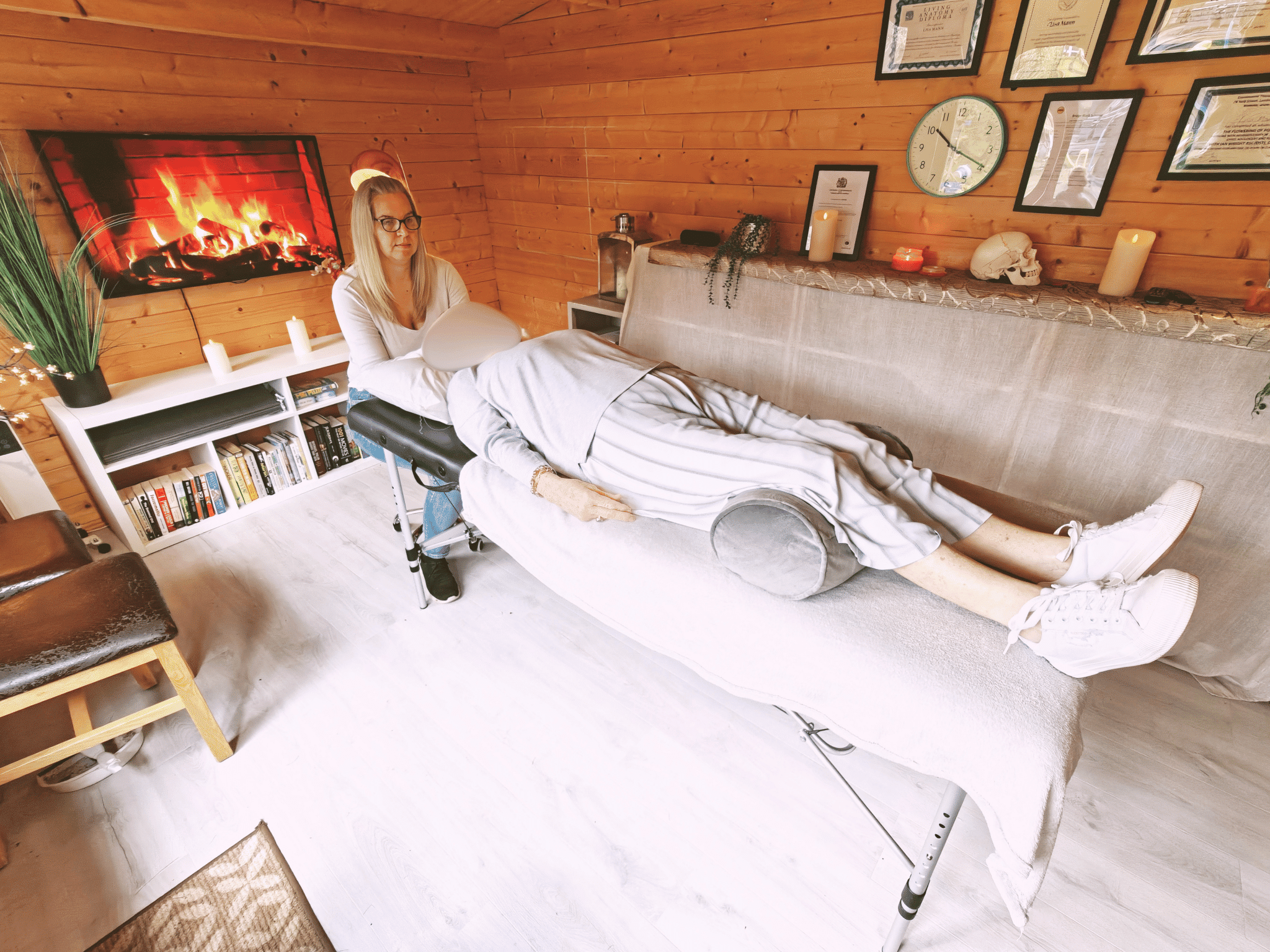
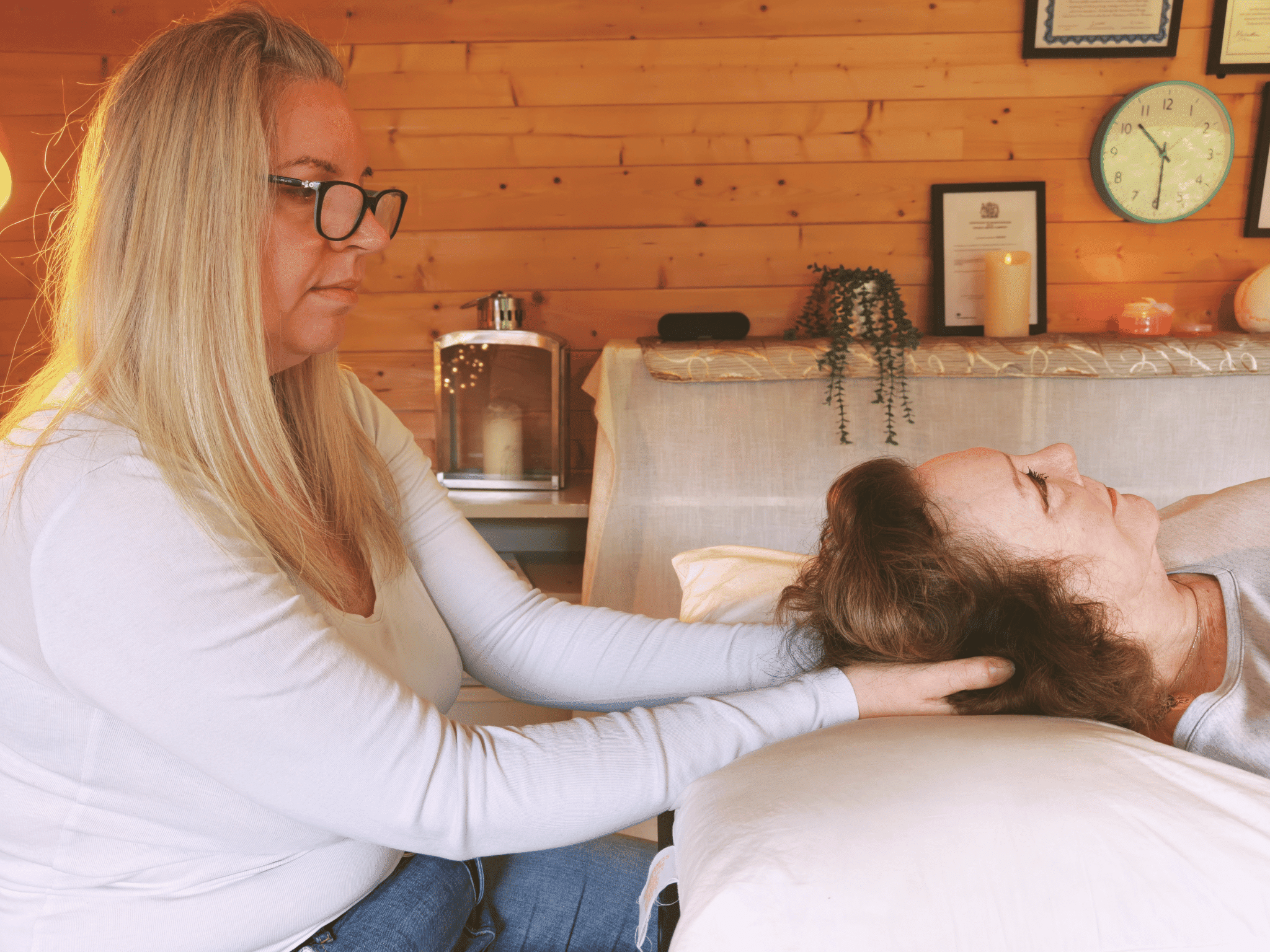
Biodynamic craniosacral therapy works with the body and nervous system through subtle hands-on contact.
Using a very light touch, the practitioner listens for areas where the body may be holding tension, particularly around the jaw, cranium, cranial bowl, neck, and connective tissues.
This allows the body to release restrictions naturally and return to a more balanced state.
Supporting the body to regulate and recover
When the nervous system is under prolonged stress, the body can remain in a heightened state of alert.
This can affect sleep, energy levels, mood, and the ability to fully relax.
Craniosacral therapy helps support the nervous system in shifting toward a calmer state, allowing the body to release tension and regain a sense of stability.
Common signs linked to nervous system imbalance
Each session is tailored to the individual, focusing on supporting regulation of the nervous system and reducing patterns of stress held in the body.
Persistent anxiety or feeling on edge
A sense of constant alertness or difficulty relaxing.
This work helps support the body to slow down and settle, creating the conditions needed to let go of the strain held within.
Low mood or emotional fatigue
A sense of heaviness, reduced motivation, or emotional exhaustion.
This work helps support the body to slow down and settle, creating the conditions needed to let go of the strain held within.
Sleep disturbances
Difficulty falling asleep or waking frequently during the night.
This work helps support the body to slow down and settle, creating the conditions needed to let go of the strain held within.
Physical tension in the body
Tightness in the chest, shoulders, jaw, or stomach linked to stress.
This work helps support the body to slow down and settle, creating the conditions needed to let go of the strain held within.
Feeling overwhelmed or burnt out
Struggling to cope with everyday demands or emotional stress.
Support for feeding, sleep, pain, emotional wellbeing, and nervous system regulation
Whether you are seeking support for your baby, your child, or yourself, this work focuses on understanding what the body is holding and gently supporting it to release.
Craniosacral Therapy Stress, Trauma & Emotional Overwhelm
Supporting the body after physical or emotional shock.
Craniosacral Therapy for Sleep Support
Helping the body settle and move toward deeper, more restorative rest.
Craniosacral Therapy for Digestive Health
Supporting nervous system balance and digestive comfort.
Introducing myself
I’m Lisa Mann and I’m a registered Biodynamic Craniosacral Therapist. I have also just graduated from a nine-month top-up paediatric craniosacral therapy course. This builds on my core training and deepens my expertise in the gentle and effective work with newborns and babies, and younger (under 8 years old) children. I will also be offering a range of massage therapies from September 2026.
So why did I train in biodynamic craniosacral therapy? Simply put, a very personal, difficult birth experience, a difficult baby feeding experience, and poor baby sleep, not forgetting personal sleep deprivation. My experience took me through oral dysfunction, baby birth trauma, and speech issues. Along the way, one amazing provider suggested I train in craniosacral therapy because of my growing passion to help other families recover from similar experiences. Little did I know at that time that craniosacral therapy was equally for older children and adults! Within three weeks I had committed thousands of pounds in an intensive two-year course in exactly that, alongside living anatomy and physiology for another nine months simultaneously. Training in biodynamic craniosacral therapy was much more of a vocation, and the passion I have for supporting anyone from newborns, babies to older children and adults is off the scale. When it comes to being passionate about what I do, it is, truly a passion that will last many years to come.

Anxiety and low mood FAQs
Your content goes here. Edit or remove this text inline or in the module Content settings. You can also style every aspect of this content in the module Design settings and even apply custom CSS to this text in the module Advanced settings.
Does craniosacral therapy help with depression and anxiety?
Many people seek craniosacral therapy to support nervous system regulation and reduce physical tension associated with stress, depression or anxiety.
Does this replace other support or therapies?
No. Craniosacral therapy works best as a complementary approach alongside appropriate educational, medical, or therapeutic support.
How long does it take for craniosacral therapy to work?
You remain fully clothed and comfortable while gentle touch is used to support areas of tension.
Is this a replacement for mental health care?
Craniosacral therapy can support wellbeing but does not replace appropriate medical or psychological care when needed.
Can craniosacral therapy make you emotional?
Yes, we carry tension or stress in muscles and fascia without noticing it. When the body begins to relax during treatment, relief, calmness, or even sadness can surface.
Supporting the body to settle, gently and naturally
When something doesn’t feel right, it can be difficult to find clear answers. This work helps the body settle, release tension, and move towards a more balanced, comfortable state.