Joint pain and arthritis
When everyday movement becomes more challenging and painful
When we suffer joint pain or arthritis, everyday life becomes harder, putting a strain on our joints, muscles and nervous system. Joint pain can affect every aspect of daily life, from walking and working to sleeping and enjoying hobbies.
Craniosacral therapy offers a gentle approach that supports the nervous system and helps the body release patterns of tension, encouraging greater comfort, mobility, and overall wellbeing.
A gentle, non-invasive approach that works with the body
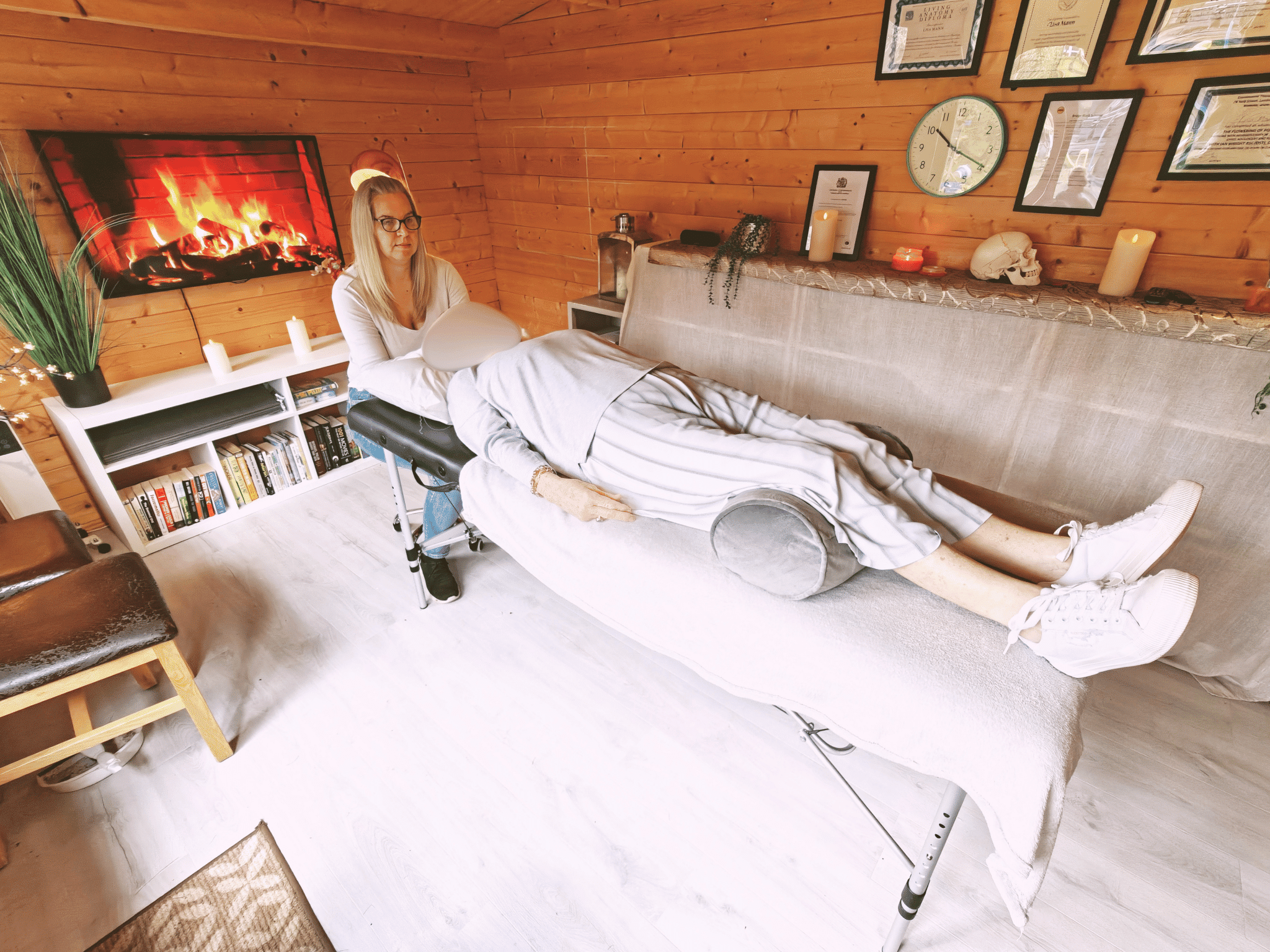
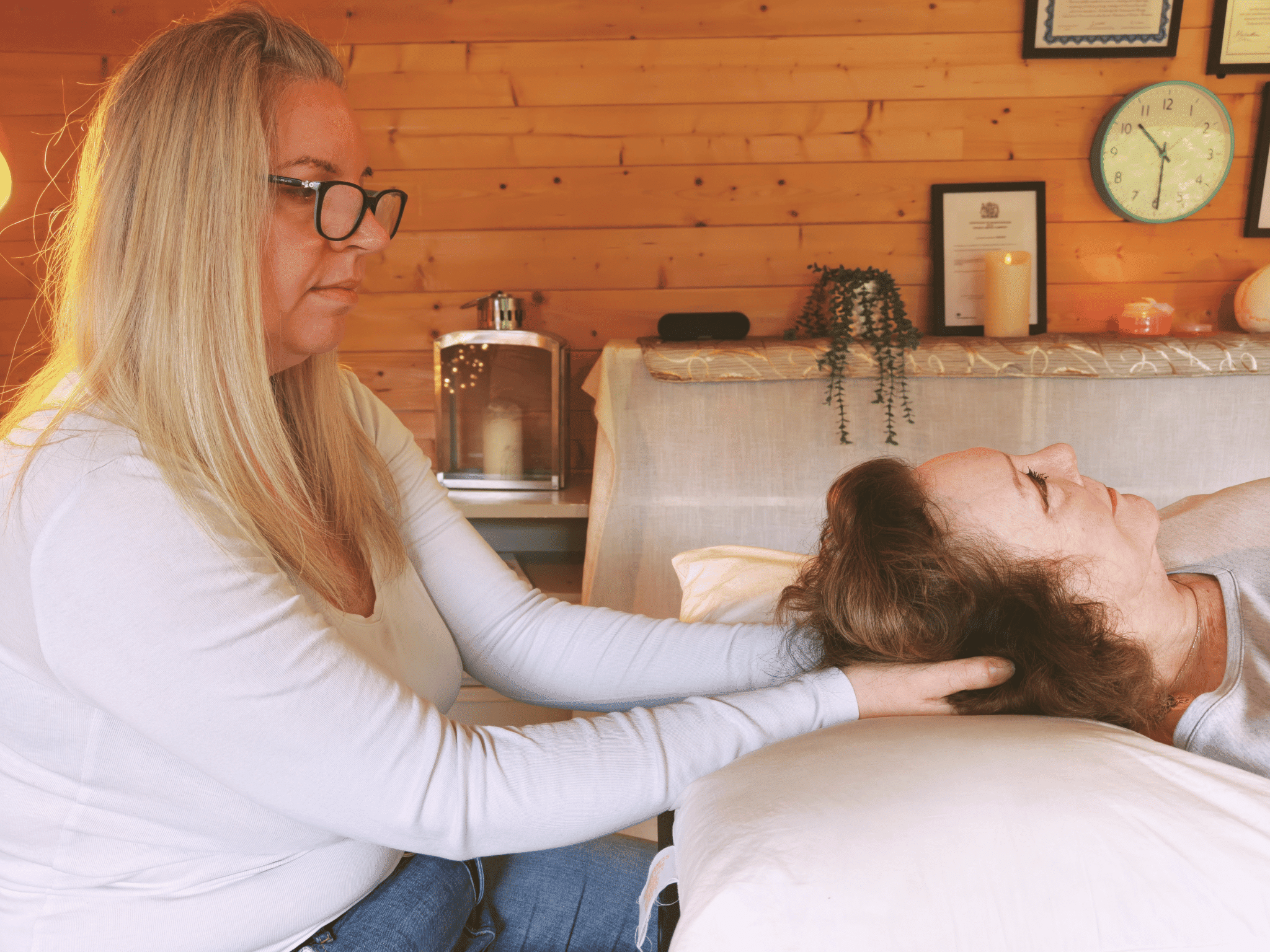
Biodynamic craniosacral therapy is a subtle hands-on therapy that works with the body and nervous system.
Using very light touch, the practitioner listens for areas where the body may be holding tension — particularly around the joints, connective tissues, spine, and surrounding muscles.
Rather than forcing movement or manipulating joints, the therapy supports the body's natural ability to release tension, improve balance, and promote relaxation by working with the craniosacral system (brain, surrounding meninges and tissues, spine and sacrum).
Supporting the body to regulate and recover
When we are suffering with any sort of joint pain, our body needs to find an alternative way to function through compensation patterns, such as one leg doing most of the work when walking, one arm and so on, also affecting our posture. This creates tension patterns in other areas, simply because everything is connected.
Over time, discomfort may affect sleep, confidence in movement, and overall quality of life.
Craniosacral therapy works with the craniosacral system, which is physiologically linked to the whole body. The therapy supports the nervous system to regulate initially, in order for the practitioner to locate the priority areas the body is communicating, and releasing these strain patterns and compensatory tension which is contributing to stiffness and discomfort. When it comes to arthritis, the therapy supports the body to feel more relaxed, moving with more ease and help manage symptoms more comfortably.
Common signs linked to joint pain and arthritis
Each session is tailored to the individual, focusing on supporting regulation of the nervous system and reducing patterns of stress held in the body.
Joint stiffness
Difficulty moving freely, particularly after resting or first thing in the morning.
This work helps support the body to slow down and settle, creating the conditions needed to let go of the strain held within.
Persistent joint pain
Ongoing discomfort affecting the knees, hips, shoulders, hands, feet, or other joints.
This work helps support the body to slow down and settle, creating the conditions needed to let go of the strain held within.
Reduced mobility
Feeling less flexible or finding everyday movements more difficult than before.
This work helps support the body to slow down and settle, creating the conditions needed to let go of the strain held within.
Muscle tension around painful joints
The surrounding muscles becoming tight as they work to protect or compensate for discomfort.
This work helps support the body to slow down and settle, creating the conditions needed to let go of the strain held within.
Fatigue from living with chronic pain
Feeling physically or mentally drained from managing persistent symptoms.
Support for feeding, sleep, pain, emotional wellbeing, and nervous system regulation
Whether you are seeking support for your baby, your child, or yourself, this work focuses on understanding what the body is holding and gently supporting it to release.
Craniosacral Therapy Stress, Trauma & Emotional Overwhelm
Supporting the body after physical or emotional shock.
Craniosacral Therapy for Sleep Support
Helping the body settle and move toward deeper, more restorative rest.
Craniosacral Therapy for Digestive Health
Supporting nervous system balance and digestive comfort.
Introducing myself
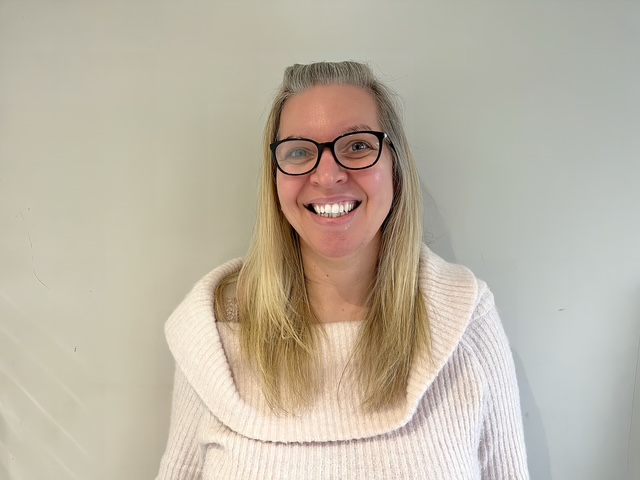
I’m Lisa Mann and I’m a registered Biodynamic Craniosacral Therapist. I have also just graduated from a nine-month top-up paediatric craniosacral therapy course. This builds on my core training and deepens my expertise in the gentle and effective work with newborns and babies, and younger (under 8 years old) children. I will also be offering a range of massage therapies from September 2026.
So why did I train in biodynamic craniosacral therapy? Simply put, a very personal, difficult birth experience, a difficult baby feeding experience, and poor baby sleep, not forgetting personal sleep deprivation. My experience took me through oral dysfunction, baby birth trauma, and speech issues. Along the way, one amazing provider suggested I train in craniosacral therapy because of my growing passion to help other families recover from similar experiences. Little did I know at that time that craniosacral therapy was equally for older children and adults! Within three weeks I had committed thousands of pounds in an intensive two-year course in exactly that, alongside living anatomy and physiology for another nine months simultaneously. Training in biodynamic craniosacral therapy was much more of a vocation, and the passion I have for supporting anyone from newborns, babies to older children and adults is off the scale. When it comes to being passionate about what I do, it is, truly a passion that will last many years to come.
Joint Pain & Arthritis FAQs
Your content goes here. Edit or remove this text inline or in the module Content settings. You can also style every aspect of this content in the module Design settings and even apply custom CSS to this text in the module Advanced settings.
Can craniosacral therapy help with joint pain?
This is a very valid question when considering craniosacral therapy for joint pain and arthritis, joint pain or discomfort. In short, the therapy can help reduce tension patterns through encouraging relaxation and release of fascial/connective tissue and strain patterns surrounding our bones and joints which are essentially, tissue.. This then helps the body's natural ability to move with greater ease.
Can I have craniosacral therapy if I have arthritis?
Yes. Craniosacral therapy is an extremely gentle, non-invasive treatment and is generally suitable for people living with osteoarthritis or inflammatory forms of arthritis. Sessions are always adapted to your comfort and individual needs, and can be used alongside your existing medical care and treatment plan.
Will the treatment involve manipulating my joints?
No. Biodynamic craniosacral therapy does not involve forceful manipulation or joint adjustments. Instead, it uses gentle, light touch to support the nervous system and encourage the body to release patterns of tension naturally.
Can craniosacral therapy help if pain is affecting my sleep or wellbeing?
Persistent joint pain can have a significant impact on sleep, energy levels, mood, and overall quality of life. By supporting nervous system regulation and promoting deep relaxation, many people find they sleep more comfortably and feel better able to cope with the challenges of living with chronic pain.
How many sessions will I need?
As with most therapy or medical treatments, everyone's experience is different. Sometimes it takes just a few sessions to notice a change. In others who have lived with chronic pain over a long-term period or who have complex conditions often benefit from a course of sessions. Every tretment plan is individualised, and in our initial consultation we discuss your symptoms, goals and create a treatment plan designed just for you.
Can craniosacral therapy be used alongside physiotherapy, osteopathy or medical treatment?
Absolutely. Craniosacral therapy is a complementary therapy and works well alongside physiotherapy, osteopathy, massage, exercise programmes, medication, and the care provided by your GP or consultant. Many people choose it as part of a wider approach to managing joint pain and improving overall wellbeing.
Supporting the body to settle, gently and naturally
When something doesn’t feel right, it can be difficult to find clear answers. This work helps the body settle, release tension, and move towards a more balanced, comfortable state.