Support for birth trauma
Birth trauma is real, but true healing is available
After a traumatic birth, our bodies try to carry on, but our nervous system is still living the trauma, impacting our emotions, sleep and how we function.
Releasing the trauma and emotional patterns stuck in us
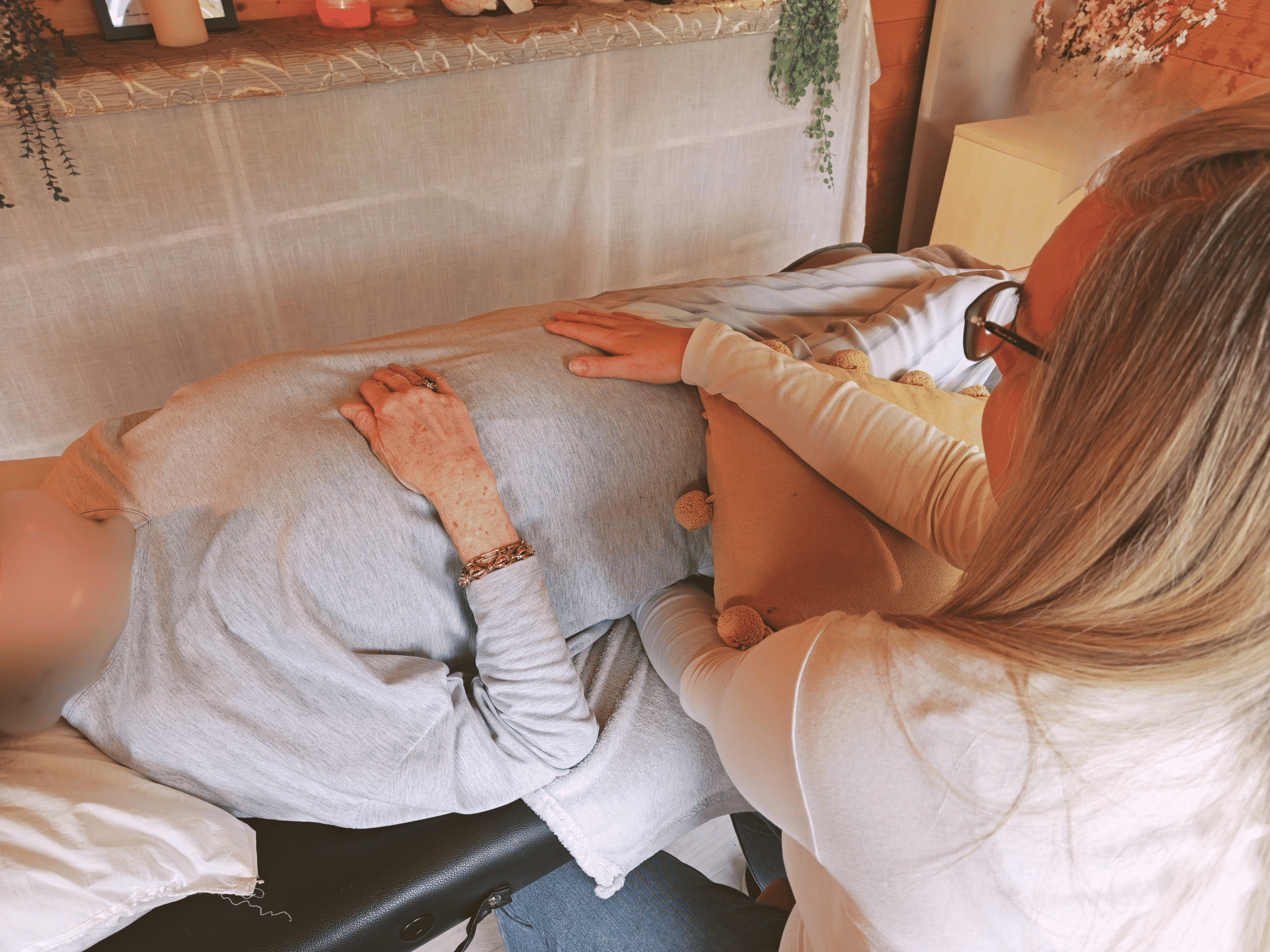
Biodynamic craniosacral therapy is a gentle therapy that works with the body and nervous system.
Taking a tailored approach for each client, it supports the release of tension built up through stress and / or traumatic events that impact our nervous system functioning and cause related symptoms in behaviour, sleep and digestion, amongst others.
Rather than forcing change, this approach allows the body to move towards balance in its own time.

Supporting the body to unwind and recover
When we become stressed or anxious, our autonomic nervous system and fascial system tightens as a result of our innate stress response. When experiencing trauma, our autonomic nervous system responds and sends us into states of disassociation or freeze, for example. Craniosacral therapy helps to rebalance the impact of these emotions through supporting calm, stillness and fascial release to improve function and return to our innate health.
Common signs of birth trauma
Each session is tailored to the individual, focusing on reducing strain, improving nervous system regulation, and restoring more comfortable function.
Re experiencing birth/flashbacks
When your body cannot fully settle, falling asleep can feel difficult, even when you are tired.
The mind may stay active, the body may feel tense, or there may be a sense of restlessness that prevents you from switching off.
This is often linked to a nervous system that remains in a more alert state.
This work helps support the body to slow down and settle, creating the conditions needed to fall asleep more naturally.
Avoidance of discussing birth or other pregnant women
Waking during the night can be a sign that the body is not fully able to stay in a restful state.
This may show up as light sleep, waking at similar times each night, or difficulty returning to sleep once awake.
Often, this is linked to underlying tension or a nervous system that struggles to remain settled.
By supporting regulation, this work can help the body move towards more consistent and uninterrupted sleep patterns.
Irritable/on edge
Sleep may feel shallow, unsettled, or easily disturbed.
You may wake feeling unrefreshed, even after a full night in bed.
This can be a sign that the body is not fully reaching deeper stages of rest.
By helping the nervous system settle, this work supports more restorative and stable sleep over time.
Sleeping difficulties
Sleep may feel shallow, unsettled, or easily disturbed.
You may wake feeling unrefreshed, even after a full night in bed.
This can be a sign that the body is not fully reaching deeper stages of rest.
By helping the nervous system settle, this work supports more restorative and stable sleep over time.
Fear/sadness/anxiety/numb/grief
Sleep may feel shallow, unsettled, or easily disturbed.
You may wake feeling unrefreshed, even after a full night in bed.
This can be a sign that the body is not fully reaching deeper stages of rest.
By helping the nervous system settle, this work supports more restorative and stable sleep over time.
PTSD / Post-natal depression
Sleep may feel shallow, unsettled, or easily disturbed.
You may wake feeling unrefreshed, even after a full night in bed.
This can be a sign that the body is not fully reaching deeper stages of rest.
By helping the nervous system settle, this work supports more restorative and stable sleep over time.
Bonding difficulties with baby
Sleep may feel shallow, unsettled, or easily disturbed.
You may wake feeling unrefreshed, even after a full night in bed.
This can be a sign that the body is not fully reaching deeper stages of rest.
By helping the nervous system settle, this work supports more restorative and stable sleep over time.
Feeling failure, guilt
Sleep may feel shallow, unsettled, or easily disturbed.
You may wake feeling unrefreshed, even after a full night in bed.
This can be a sign that the body is not fully reaching deeper stages of rest.
By helping the nervous system settle, this work supports more restorative and stable sleep over time.
Pain from birth injuries
When your body cannot fully settle, falling asleep can feel difficult, even when you are tired.
The mind may stay active, the body may feel tense, or there may be a sense of restlessness that prevents you from switching off.
This is often linked to a nervous system that remains in a more alert state.
This work helps support the body to slow down and settle, creating the conditions needed to fall asleep more naturally.
Shaking/dizzy/gastro-intestinal issues
When your body cannot fully settle, falling asleep can feel difficult, even when you are tired.
The mind may stay active, the body may feel tense, or there may be a sense of restlessness that prevents you from switching off.
This is often linked to a nervous system that remains in a more alert state.
This work helps support the body to slow down and settle, creating the conditions needed to fall asleep more naturally.
Floppy/hypertonia or stiff / hypertonic
Fatigue is not always resolved by more sleep.
Even after resting, the body can still feel heavy, drained, or lacking energy.
This can happen when the nervous system is under strain, preventing the body from fully recovering.
This work helps support deeper rest and recovery, allowing energy levels to stabilise over time.
Feeding issues – reflux, colic symptoms, unsettled/fussy
It is possible to feel exhausted, yet unable to relax.
This often feels like the body is stuck in a state of alertness, making it difficult to switch off, even when you want to rest.
This pattern is commonly linked to nervous system dysregulation.
Craniosacral therapy helps support the body to move out of this heightened state, allowing for greater calm and ease.
Poor / fidgety sleep
It is possible to feel exhausted, yet unable to relax.
This often feels like the body is stuck in a state of alertness, making it difficult to switch off, even when you want to rest.
This pattern is commonly linked to nervous system dysregulation.
Craniosacral therapy helps support the body to move out of this heightened state, allowing for greater calm and ease.
Support for feeding, sleep, pain, emotional wellbeing, and nervous system regulation
Whether you are seeking support for your baby, your child, or yourself, this work focuses on understanding what the body is holding and gently supporting it to release.
Craniosacral Therapy for Stress, Trauma and Emotional Overwhelm
Supporting the body after physical or emotional shock.
Craniosacral Therapy for Back and Neck Pain
Supporting recovery from strain or injury affecting the spine.
Craniosacral Therapy for Sleep Support
Helping the body settle and move toward deeper, more restorative rest.
Introducing myself
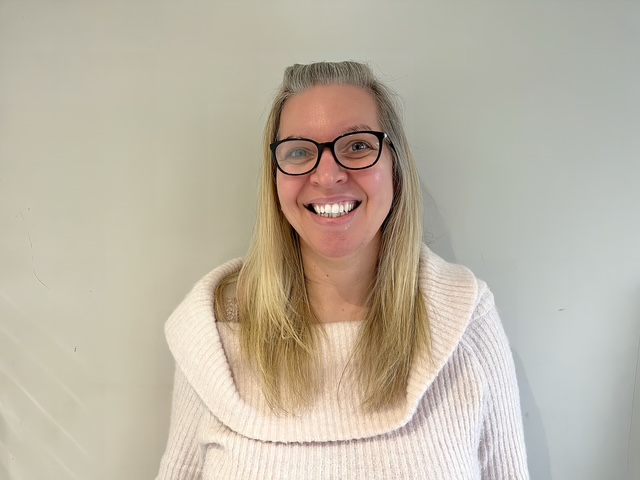
I’m Lisa Mann and I’m a registered Biodynamic Craniosacral Therapist. I have also just graduated from a nine-month top-up paediatric craniosacral therapy course. This builds on my core training and deepens my expertise in the gentle and effective work with newborns and babies, and younger (under 8 years old) children. I will also be offering a range of massage therapies from September 2026.
So why did I train in biodynamic craniosacral therapy? Simply put, a very personal, difficult birth experience, a difficult baby feeding experience, and poor baby sleep, not forgetting personal sleep deprivation. My experience took me through oral dysfunction, baby birth trauma, and speech issues. Along the way, one amazing provider suggested I train in craniosacral therapy because of my growing passion to help other families recover from similar experiences. Little did I know at that time that craniosacral therapy was equally for older children and adults! Within three weeks I had committed thousands of pounds in an intensive two-year course in exactly that, alongside living anatomy and physiology for another nine months simultaneously. Training in biodynamic craniosacral therapy was much more of a vocation, and the passion I have for supporting anyone from newborns, babies to older children and adults is off the scale. When it comes to being passionate about what I do, it is, truly a passion that will last many years to come.
Birth Trauma FAQs
Your content goes here. Edit or remove this text inline or in the module Content settings. You can also style every aspect of this content in the module Design settings and even apply custom CSS to this text in the module Advanced settings.
What is craniosacral therapy for birth trauma?
A gentle, hands-on therapy that supports the nervous system and helps the body release tension and restore balance.
What is a birth trauma?
Birth trauma can encompass many things, including pain from giving birth, emotional trauma from delivery, bonding issues with baby, post-natal depression symptoms and many more.
How do I know if I have birth trauma?
You many not know, however you may be experiencing the symptoms of an emotional trauma since the birth of your baby.
Can craniosacral therapy release trauma?
This varies depending on what you are experiencing. Some people notice changes quickly, while others benefit from a short series of sessions.
What are the physical signs your body is releasing trauma
The client can feel a profound release of emotion, settling nervous system, and general rebalance back to their centre/midline.