Craniosacral Therapy for Nerve Pain & Trigeminal Neuralgia
When nerves are irritated or sensitive, even small sensations can feel overwhelming.
Nerve pain can be intense, unpredictable, and difficult to manage. Conditions such as trigeminal neuralgia can cause sharp or burning sensations that affect daily life. This includes sleeping, eating, speaking, and experiencing multiple episodes of paralysis and pain in a short space of time.
Craniosacral therapy offers a gentle approach that supports the nervous system and surrounding tissues, helping the body release tension and move toward greater balance.
A gentle, non-invasive approach that works with the body
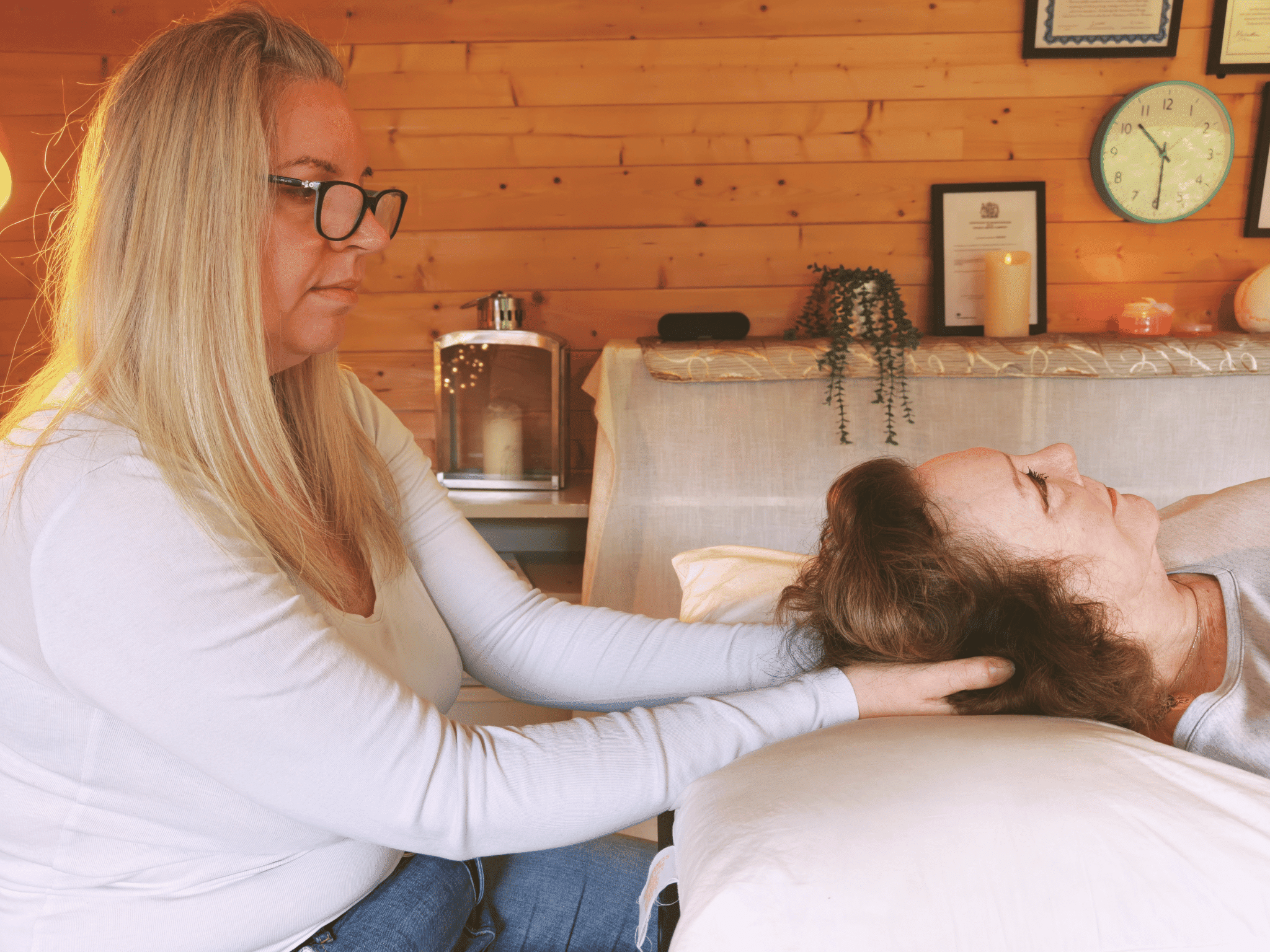
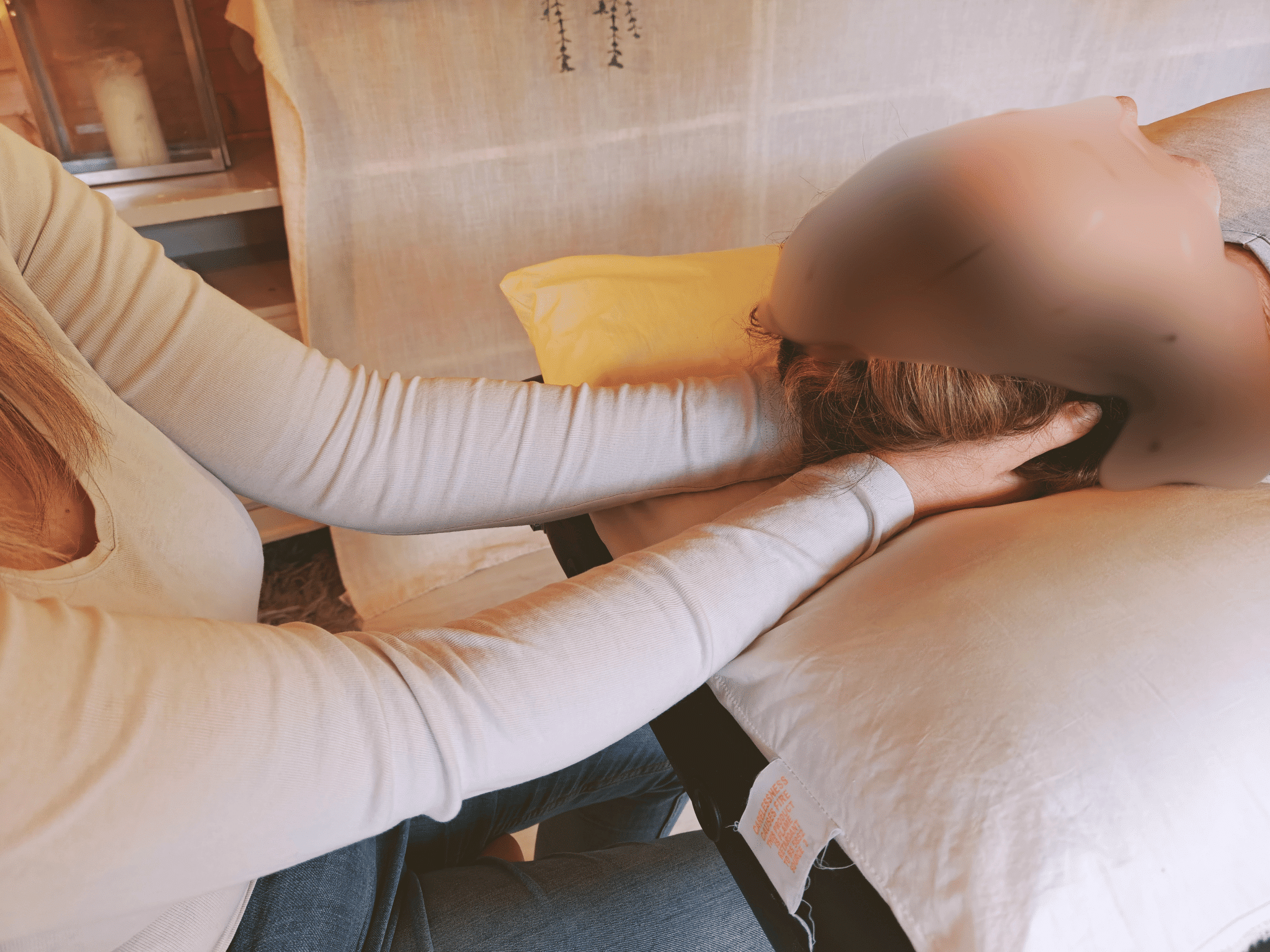
Biodynamic craniosacral therapy works with the nervous system through subtle, skilled touch.
The practitioner listens for areas where tissues surrounding nerves may be under strain, particularly around the skull, face, neck, and spine.
This gentle approach supports the body in releasing restrictions that may be contributing to irritation within the nervous system.
Supporting the body around the nervous system
Nerve pain can occur when nerves become irritated, compressed, or overly sensitive. It can sometimes be linked to tension or restrictions in surrounding tissues.
This may affect areas of the face, jaw, head, neck, or spine. When the nervous system becomes overwhelmed, pain signals can intensify.
Craniosacral therapy supports the body to release tension in the tissues surrounding nerves and encourages the nervous system to move toward a calmer, more regulated state.
Common signs linked to nerve pain
Each session is tailored to the individual, focusing on supporting the nervous system and reducing tension around affected areas.
Sharp or electric-like facial pain
Sudden, intense pain often associated with trigeminal neuralgia.
This work helps support the body to slow down and settle, creating the conditions needed to let go of the strain held within.
Burning or tingling sensations
Nerve-related sensations that may occur in the face, jaw, or neck.
This work helps support the body to slow down and settle, creating the conditions needed to let go of the strain held within.
Pain triggered by touch or movement
Symptoms that appear when speaking, chewing, or touching the face.
This work helps support the body to slow down and settle, creating the conditions needed to let go of the strain held within.
Sensitivity around the jaw or cheek
Discomfort along the pathways of the trigeminal nerve.
This work helps support the body to slow down and settle, creating the conditions needed to let go of the strain held within.
Recurring nerve-related pain
Symptoms that come and go or appear in episodes.
Support for feeding, sleep, pain, emotional wellbeing, and nervous system regulation
Whether you are seeking support for your baby, your child, or yourself, this work focuses on understanding what the body is holding and gently supporting it to release.
Craniosacral Therapy for Stress, Trauma & Emotional Regulation
Supporting the body after physical or emotional shock.
Craniosacral Therapy for Headaches & Migraine Support
Helping reduce tension in the head, neck and shoulders.
Craniosacral Therapy for Sleep Support
Helping the body settle and move toward deeper, more restorative rest.
Introducing myself
I’m Lisa Mann and I’m a registered Biodynamic Craniosacral Therapist. I have also just graduated from a nine-month top-up paediatric craniosacral therapy course. This builds on my core training and deepens my expertise in the gentle and effective work with newborns and babies, and younger (under 8 years old) children. I will also be offering a range of massage therapies from September 2026.
So why did I train in biodynamic craniosacral therapy? Simply put, a very personal, difficult birth experience, a difficult baby feeding experience, and poor baby sleep, not forgetting personal sleep deprivation. My experience took me through oral dysfunction, baby birth trauma, and speech issues. Along the way, one amazing provider suggested I train in craniosacral therapy because of my growing passion to help other families recover from similar experiences. Little did I know at that time that craniosacral therapy was equally for older children and adults! Within three weeks I had committed thousands of pounds in an intensive two-year course in exactly that, alongside living anatomy and physiology for another nine months simultaneously. Training in biodynamic craniosacral therapy was much more of a vocation, and the passion I have for supporting anyone from newborns, babies to older children and adults is off the scale. When it comes to being passionate about what I do, it is, truly a passion that will last many years to come.

Nerve Pain & Neuralgia FAQs
Your content goes here. Edit or remove this text inline or in the module Content settings. You can also style every aspect of this content in the module Design settings and even apply custom CSS to this text in the module Advanced settings.
Can craniosacral therapy help nerve pain?
It can – sciatica, trigeminal neuralgia, herniated and bulging discs with compressed nerves, cranial nerve compression and more.
Does this replace other support or therapies?
No. Craniosacral therapy works best as a complementary approach alongside appropriate educational, medical, or therapeutic support.
How long does it take for craniosacral therapy to work?
This varies depending on what you are experiencing. Some people notice changes quickly, while others benefit from a short series of sessions. It is dependant on the complexity and history of the clients' symptoms.
Can craniosacral therapy release trauma?
Yes. When the practitioiner is able to initiate a state of stillness and calm in the client, thus a regulated nervous system, the body is given the conditions to release any held trauma or strain patterns with the support of the practitioner.
Can craniosacral therapy make you emotional?
Yes, we carry tension or stress in muscles and fascia without noticing it. When the body begins to relax during treatment, relief, calmness, or even sadness can surface.