Support for Sinus Issues & Sinusitis
When sinuses cause more issues than just a blocked nose
Sinus problems can leave you feeling congested, fatigued, and under constant pressure around your face and head. Whether you're experiencing recurring sinus infections, chronic congestion, or ongoing sinus pressure, these symptoms can make everyday activities feel more difficult.
Craniosacral therapy offers a gentle approach that supports the body's natural rhythms, helping release patterns of tension around the head and face while encouraging nervous system balance and relaxation.
A gentle, non-invasive approach that works with the body
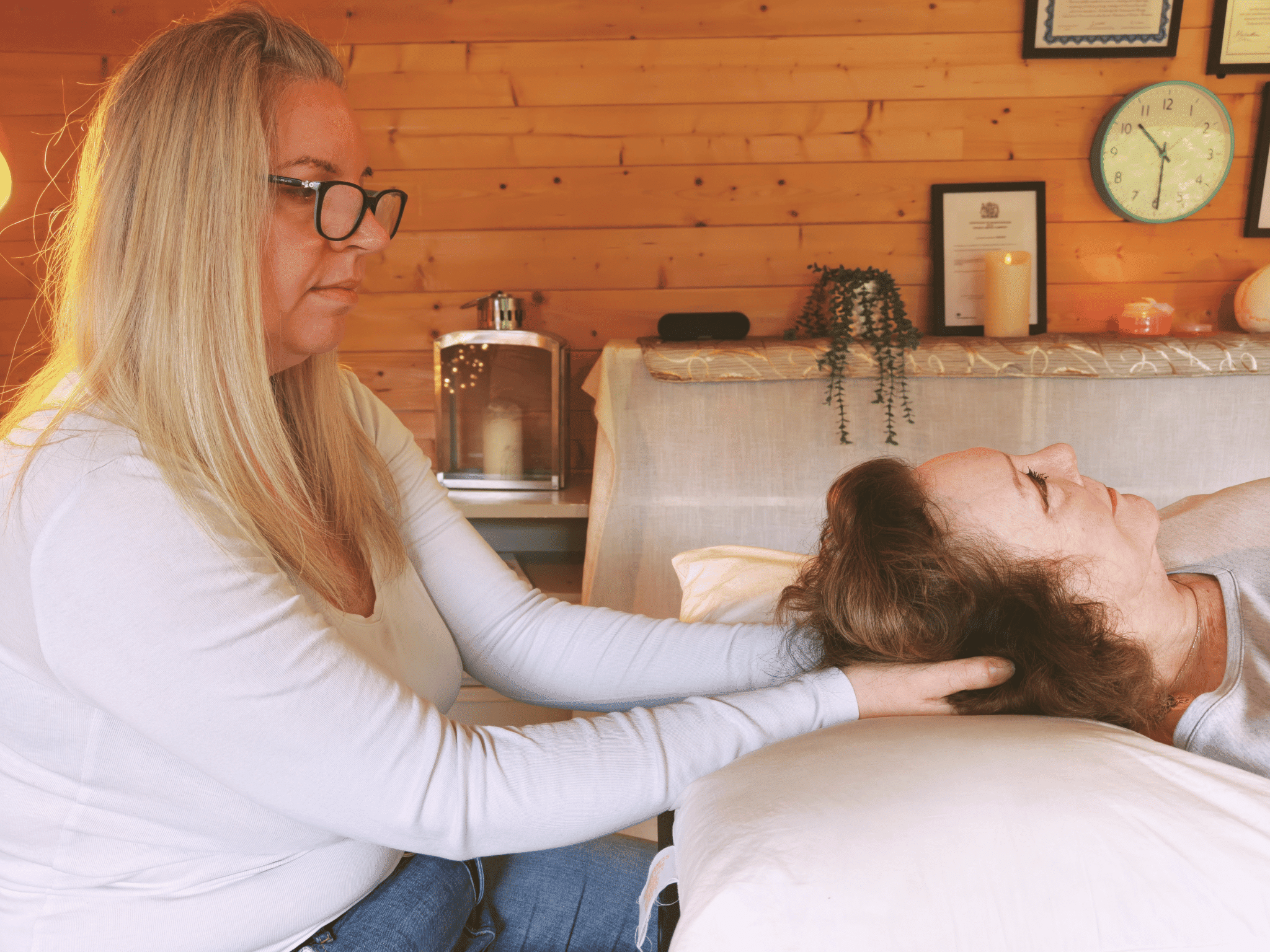
Biodynamic craniosacral therapy is a subtle hands-on therapy that works with the body and nervous system.
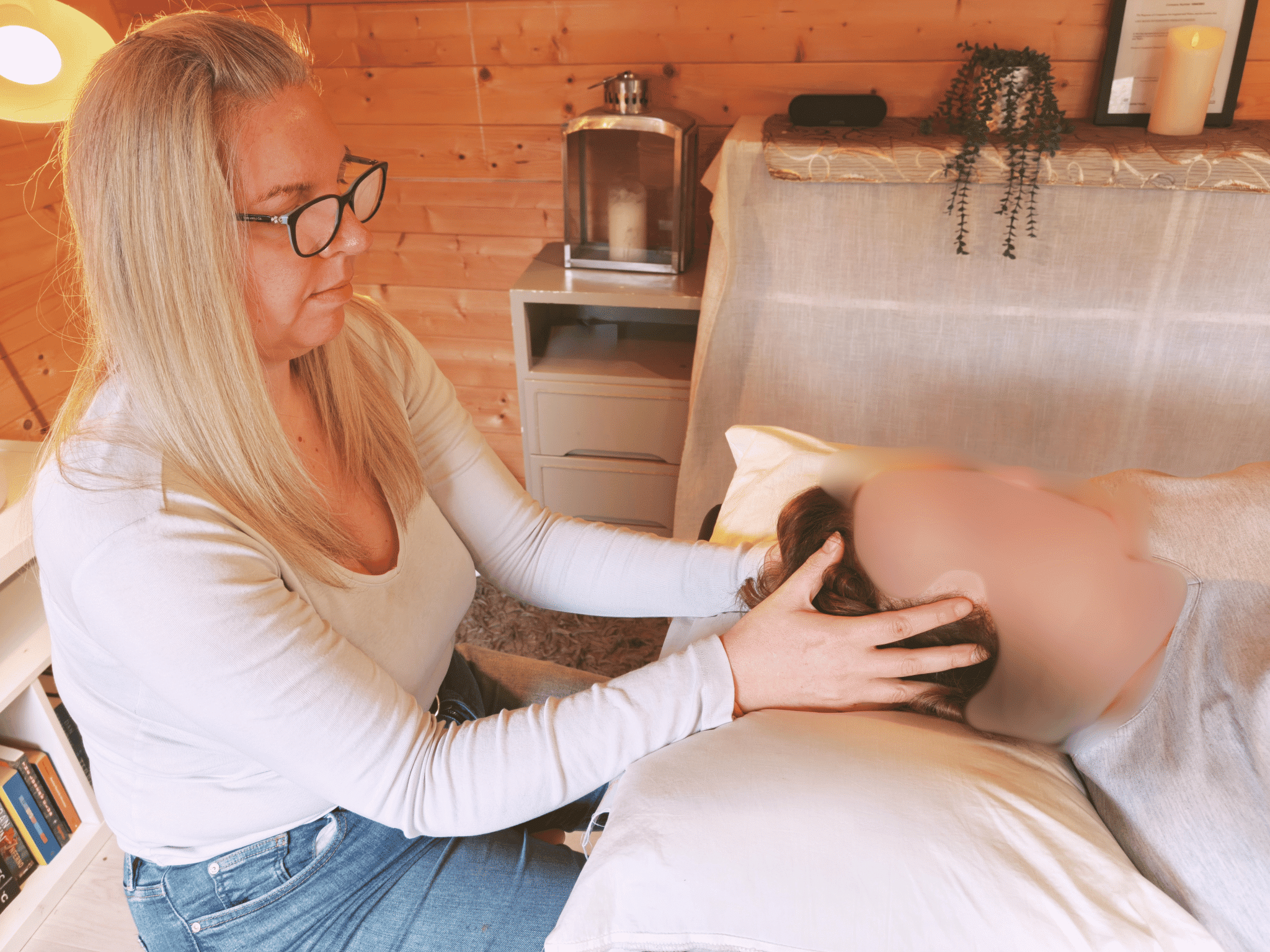
Using very light touch, the practitioner listens for areas where tension may be held—particularly around the head, face, jaw, neck, and connective tissues.
Rather than forcing change, the therapy supports the body's natural ability to release restrictions, encouraging relaxation and creating the conditions for improved balance and function.
Supporting the body to relieve tension and promote natural drainage
It is common to find that presenting tension patterns around the face, jaw, neck and head often contribute to symptoms of sinus drainage issues or sinusitis. The sinuses rely on healthy movement of fluids, good circulation, and clear drainage pathways to function effectively.
Stress and nervous system overload can also influence inflammation, muscle tension, and breathing patterns, which may affect how sinus symptoms are experienced.
Craniosacral therapy works with the whole body, supporting nervous system regulation while gently encouraging the release of tension around the head, face, and neck. Many people report feeling a greater sense of openness, relaxation, and ease following treatment, as well as improvements in nasal airway and head congestion.
Common signs of sinus and sinusitis
Each session is tailored to the individual, focusing on reducing strain, improving nervous system regulation, and restoring more comfortable function.
Facial pressure or pain
Pressure around the forehead, cheeks, nose, or behind the eyes.
Blocked or congested nose
Difficulty breathing comfortably through the nose due to congestion.
Recurring sinus infections
Repeated episodes of sinus discomfort or inflammation.
Headaches associated with sinus pressure
Pain or heaviness around the face and forehead.
Post-nasal drip or facial tension
Persistent mucus drainage or tightness around the face, jaw, or forehead.
Support for feeding, sleep, pain, emotional wellbeing, and nervous system regulation
Whether you are seeking support for your baby, your child, or yourself, this work focuses on understanding what the body is holding and gently supporting it to release.
Craniosacral Therapy for Headaches & Migraines
Supporting the body after physical or emotional shock.
Craniosacral Therapy for Back and Neck Pain
Supporting recovery from strain or injury affecting the spine.
Craniosacral Therapy for Tinnitus Support
Helping the body settle and move toward deeper, more restorative rest.
Introducing myself
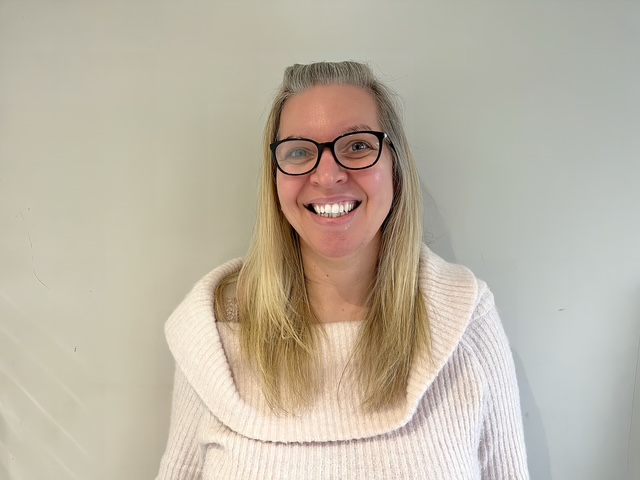
I’m Lisa Mann and I’m a registered Biodynamic Craniosacral Therapist. I have also just graduated from a nine-month top-up paediatric craniosacral therapy course. This builds on my core training and deepens my expertise in the gentle and effective work with newborns and babies, and younger (under 8 years old) children. I will also be offering a range of massage therapies from September 2026.
So why did I train in biodynamic craniosacral therapy? Simply put, a very personal, difficult birth experience, a difficult baby feeding experience, and poor baby sleep, not forgetting personal sleep deprivation. My experience took me through oral dysfunction, baby birth trauma, and speech issues. Along the way, one amazing provider suggested I train in craniosacral therapy because of my growing passion to help other families recover from similar experiences. Little did I know at that time that craniosacral therapy was equally for older children and adults! Within three weeks I had committed thousands of pounds in an intensive two-year course in exactly that, alongside living anatomy and physiology for another nine months simultaneously. Training in biodynamic craniosacral therapy was much more of a vocation, and the passion I have for supporting anyone from newborns, babies to older children and adults is off the scale. When it comes to being passionate about what I do, it is, truly a passion that will last many years to come.
Sinus Issues & Sinusitis FAQs
Can craniosacral therapy help with sinus congestion?
Many people seek craniosacral therapy to support recurring sinus congestion or facial pressure. While it does not "cure" sinusitis or infection, it may help reduce tension around the head, face, and neck while supporting relaxation and the body's natural drainage mechanisms.
Can craniosacral therapy help if I get recurring sinusitis?
If you experience repeated sinus infections, craniosacral therapy may be used as a complementary therapy alongside appropriate medical care. Treatment focuses on supporting the nervous system and releasing tension rather than treating the infection itself.
What happens during a session?
You remain fully clothed while lying comfortably on a treatment couch. Using gentle touch, I work with areas such as the head, face, jaw, neck, and spine to support the body's natural rhythms and encourage relaxation.
Can stress make sinus symptoms feel worse?
Many people notice that stress increases muscle tension, affects breathing patterns, and can make physical symptoms feel more intense. Craniosacral therapy supports the nervous system to move into a calmer state, helping the body feel more balanced through the release of strain patterns in the body within the muscles and tissues of our system, opening blood flow and draining the lymphatic system of toxins.
Should I still see my GP about sinus problems?
Yes. Persistent sinus symptoms, severe facial pain, high fever, or recurring infections should always be assessed by a healthcare professional. Craniosacral therapy is intended to complement, not replace, appropriate medical care.
Supporting the body to settle, gently and naturally
When something doesn’t feel right, it can be difficult to find clear answers. This work helps the body settle, release tension, and move towards a more balanced, comfortable state.